January 8, 2026
A professional HVAC inspection is crucial for ensuring the efficient and safe operation of your heating, ventilation, and air conditioning systems. This article will guide you through what to expect during the process and explain the different components that are typically evaluated. Regular HVAC maintenance is critical as it can prevent small issues from turning into costly repairs. A well-functioning HVAC system not only provides comfort but also improves indoor air quality and energy efficiency. Understanding the steps in an HVAC inspection can help homeowners make informed decisions regarding their system's maintenance and care.
Initial Consultation and Overview
Purpose and Importance of the Inspection
The primary purpose of an HVAC inspection is to ensure all components of your HVAC system are functioning properly and safely. This includes detecting any signs of wear, identifying potential malfunctions, and testing the system's efficiency. Regular inspections help maintain the longevity of the system, ultimately saving you money in the long run. Importantly, these inspections provide an opportunity to address any immediate safety concerns, such as the presence of carbon monoxide. According to DuraPlas, 60% of homeowners would follow a trusted HVAC technician, highlighting the importance of professional insights during inspections.
Scheduling and Preparation
Scheduling an HVAC inspection should be done at least once a year, but it might be necessary more often depending on the age and condition of your system. The best time to conduct these inspections is during the spring or fall, before the system is required to perform at peak capacity. Preparing for an inspection might include clearing space around your HVAC units to allow easy access and compiling any questions or concerns you might have about your system's performance. Homeowners should also be prepared to discuss their recent energy bills and any unusual behavior from the system they've noticed. Beginning the process with clear communication ensures both you and the technician understand the priorities for the inspection.
Discussion of HVAC System Concerns
The inspection process begins with a discussion between you and the technician, addressing any specific concerns or issues you have observed. This dialogue is crucial as it helps direct the technician's focus during the inspection. Homeowners might mention unusual noises, inefficient cooling or heating, or inconsistent airflow. The technician might also inquire about changes in your energy bills, which can signal inefficiencies within the system. This initial conversation lays the groundwork for a thorough inspection, ensuring that all your concerns are addressed.
Inspection Timeline and Expectations
A typical HVAC inspection might take between one to two hours, although this can vary depending on the complexity of your system and the issues discovered. The technician should provide a general timeline and explain what parts of the system will be inspected first and last. Setting clear expectations at the start of the inspection helps facilitate a smoother process. Moreover, understanding the timeline can also help you manage your schedule better during the inspection day. Having this information ahead of time ensures that there are no surprises, and both you and the technician remain on the same page throughout the inspection.
Documentation and Paperwork Preparation
After the initial consultation, the technician may request to see any previous maintenance records or documentation regarding your HVAC system. These documents provide context about past repairs, replacements, and overall system health, which is invaluable during the inspection. Documenting the process with photos and notes during the inspection can also help if future issues arise. Additionally, once the inspection is done, it’s important to ensure the findings are clearly documented and any recommendations are detailed in a report. Having a clear paper trail of your system's health can be beneficial, especially if more significant repairs are needed later.
Inspection of the Heating System
Evaluation of Furnace Components
Inspecting the heating system begins with an in-depth evaluation of the furnace components. This comprehensive review includes checking the burner assembly, the integrity of the blower wheel, and the cleanliness of the heat exchanger. Technicians also look for any corrosion or rust that may cause future malfunctions. Maintaining these components in good condition is imperative for ensuring the efficient and safe operation of the heating system. Regular maintenance and timely replacement of worn parts can prevent furnace breakdowns during colder months.
Assessment of Heat Exchanger Condition
The heat exchanger is a critical component of your furnace, and its condition directly impacts the safety and efficiency of your heating system. During the inspection, the technician will carefully examine the heat exchanger for any cracks or signs of damage. Any defects can lead to dangerous carbon monoxide leaks, making this a vital part of the inspection. Ensuring the heat exchanger operates correctly helps prevent safety hazards and ensures your heating system works at optimal efficiency. If any issues are detected, they must be addressed immediately to prevent exposing your household to risks.
Inspection of Thermostat Functionality
A properly functioning thermostat is key to maintaining the desired temperature in your home and can significantly affect energy efficiency. During the inspection, technicians assess whether the thermostat is accurately reading and controlling the indoor temperature. They may also suggest upgrading to a programmable or smart thermostat, which allows for more precise temperature settings and energy conservation. Ensuring the thermostat is calibrated correctly and functioning efficiently can lead to energy savings over time. Addressing any discrepancies in thermostat performance improves comfort and reduces unnecessary energy consumption.
Review of Airflow and Ventilation
Proper airflow and ventilation are vital for the efficient operation of your HVAC system and maintaining indoor air quality. Technicians inspect the entire ventilation system, ensuring there are no blockages that could hinder airflow. Clogged or dirty air filters, as well as obstructions in the ductwork, are common culprits for reduced system efficiency and should be checked and resolved during the inspection. Additionally, ensuring your home remains adequately ventilated prevents issues like mold growth and poor air quality. Correcting any airflow problems during the inspection can significantly improve the performance of your heating system.
Safety Checks and Carbon Monoxide Testing
Safety checks are a fundamental part of the HVAC inspection process, particularly with heating systems due to the potential risks associated with gas furnaces. Technicians will perform a carbon monoxide test to ensure there are no leaks. This silent, odorless gas can be lethal, making this step vital to protect your household. Besides carbon monoxide testing, the technician will also inspect for any gas leaks, check the integrity of safety controls, and ensure all emergency shut-off devices are operational. It's essential to resolve any safety-related issues promptly to ensure your heating system operates under safe conditions.
Examination of the Cooling System
Inspection of the Air Conditioning Unit
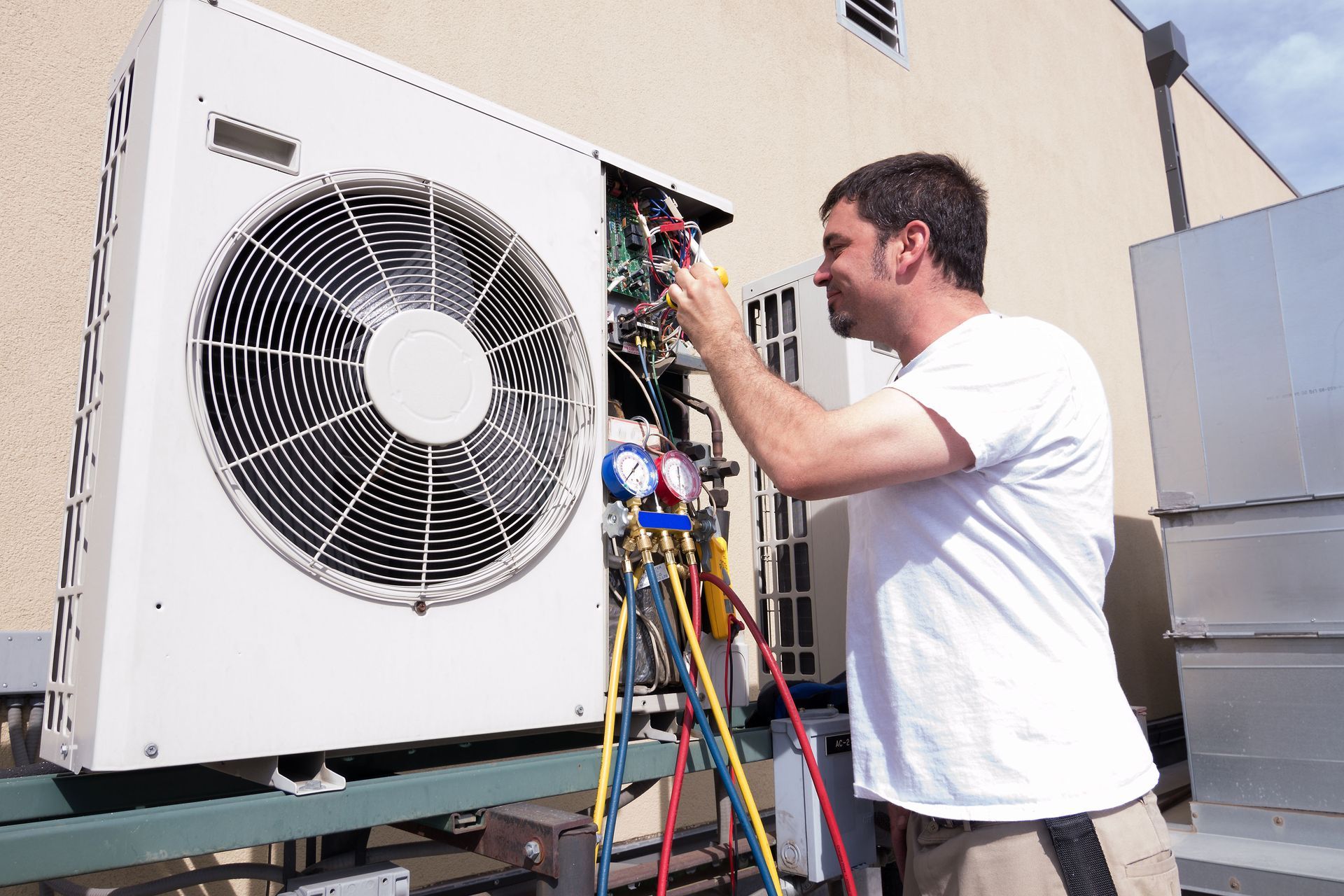
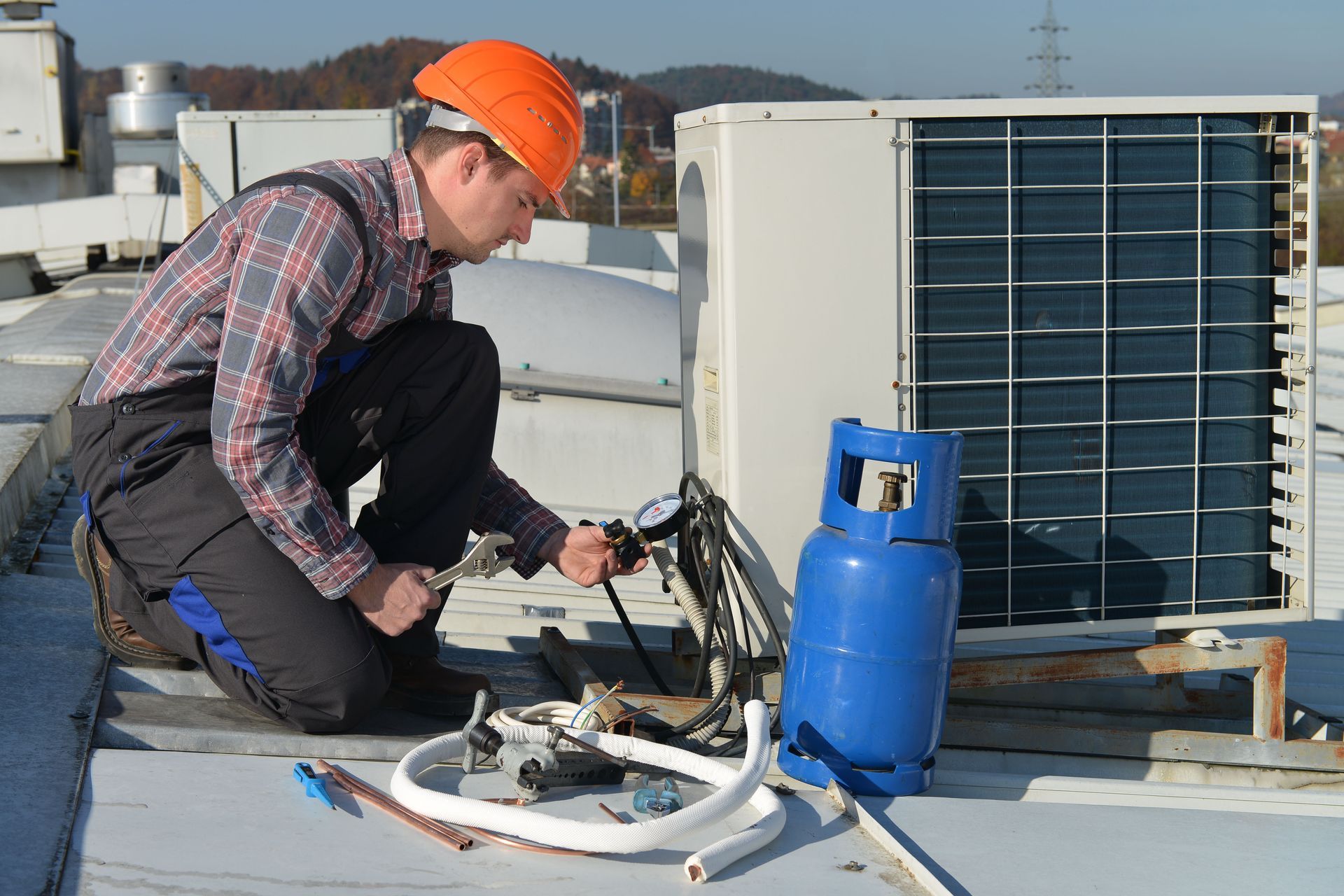
The inspection of the cooling system starts with an evaluation of the air conditioning unit. This includes checking the overall condition of the unit, ensuring the fan is functioning correctly, and inspecting the compressor and motor. Technicians look for signs of wear and tear, ensuring all components are clean and properly connected. This inspection helps maintain efficiency by ensuring the cooling system can perform optimally when needed. Routine checks help detect and address minor issues before they become major repairs, contributing to the unit's longevity. Be sure to reach out to AVC Mechanical Services today for more information on our professional HVAC companies!