February 27, 2026
Heating, Ventilation, and Air Conditioning (HVAC) systems are essential components in maintaining comfort, air quality, and overall climate control in both residential and commercial spaces. Despite their effectiveness, these complex systems are not immune to problems that can reduce their efficiency. In this article, we will delve into the most common HVAC issues and the professional solutions applied to restore these systems to optimal functionality, highlighting the importance of regular maintenance in prolonging their lifespan.
Poor Airflow
Clogged Filters
One of the primary contributors to poor airflow in HVAC systems is clogged filters. When filters become dirty or obstructed, the airflow is significantly reduced, which can strain the system and diminish performance. Professionals typically address this issue by either replacing disposable filters or cleaning reusable ones. Regular maintenance checks ensure that filters are in good condition, which helps in maintaining the efficiency of the HVAC system. Proper filter maintenance can prevent overheating and ensure a steady flow of air, contributing to the overall health of the HVAC unit.
Blocked Vents and Registers
Blocked vents and registers are another common cause of diminished airflow in HVAC systems. When furniture, dust, or debris obstruct these entry points, the airflow is compromised, leading to uneven temperature distribution. Technicians address this problem by inspecting for physical obstructions and ensuring that air can flow freely through the vents and registers. This straightforward adjustment can significantly enhance system efficiency, ensuring that all areas of the space receive adequate heating or cooling. Regularly checking and rearranging obstructions around vents can avoid these issues and improve both comfort and energy efficiency.
Blower Motor Issues
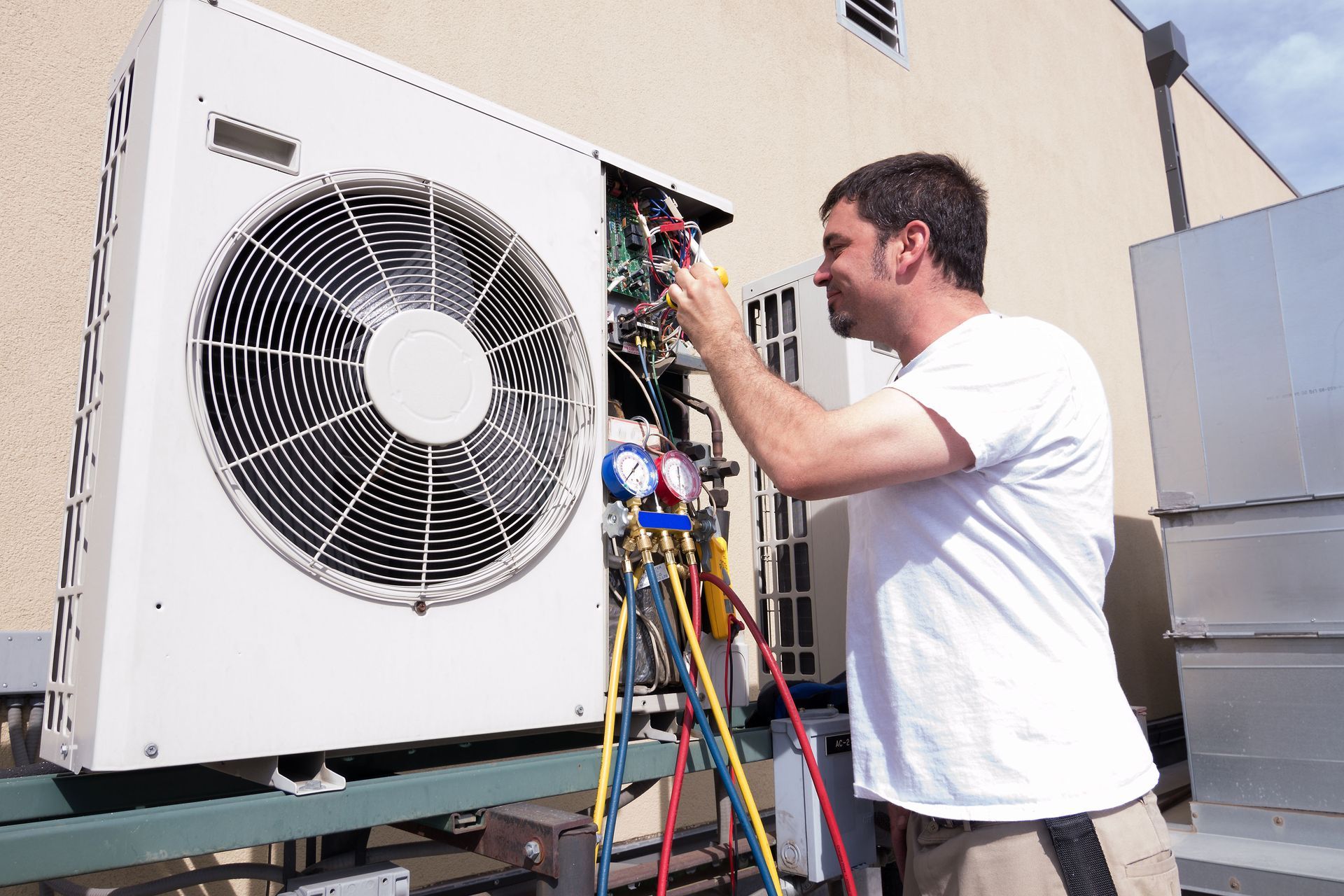
The blower motor is a critical component of an HVAC system, responsible for circulating air throughout the space. If the blower motor malfunctions, airflow is severely affected, and the system might not adequately heat or cool the area. Professionals employ diagnostic tools to assess the condition of the blower motor and determine whether it requires repair or replacement. Addressing blower motor issues promptly can prevent further strain on the system and ensure efficient operation. Regular maintenance helps in identifying potential issues early, ensuring the blower motor's longevity and performance.
Ductwork Problems
Leaks, blockages, or improperly designed ductwork can greatly impact the efficiency of airflow within HVAC systems. Even small leaks can lead to significant energy losses and uneven temperature control in different parts of the building. HVAC professionals use techniques such as pressure testing and thermal imaging to diagnose and locate issues within the ductwork. Once identified, they apply sealing methods, clear blockages, or redesign the duct layout to ensure optimal performance. Regular duct inspections help in maintaining efficient system operation and preventing airflow-related problems.
Variable Air Volume (VAV) Systems
Variable Air Volume (VAV) systems are designed to provide varying airflow to different zones for enhanced comfort control. When issues arise in VAV systems, such as actuator failures or calibration problems, airflow distribution can be uneven, causing discomfort and inefficiency. Technicians with expertise in VAV systems perform detailed diagnostics to identify and rectify these issues, often utilizing specialized tools for repair and calibration. Consistent maintenance checks and timely adjustments ensure that VAV systems continue to provide the desired comfort and efficiency. Effective management of VAV systems can significantly contribute to energy savings and enhanced indoor climate control.
Thermostat Malfunctions
Calibration Problems
Accurate thermostat calibration is essential for maintaining precise temperature control within a space. Calibration problems can lead to temperature inaccuracies, causing discomfort and inefficient energy use. HVAC professionals perform recalibrations by cross-referencing current readings with thermometers to ensure the thermostat reflects the true ambient temperature. This adjustment helps maintain consistent climate conditions and optimizes energy consumption. Regular calibration checks should be part of routine HVAC maintenance to avoid prolonged inefficiencies and increased utility costs.
Wiring Defects
Faulty or outdated wiring in thermostats can lead to irregular system operation and even complete system failure. Wiring defects may cause incorrect temperature readings or intermittent power issues that disrupt HVAC performance. Qualified electricians assess the wiring setup and replace any defective components to restore reliable thermostat function. Ensuring that wiring is up-to-date and properly connected safeguards against electrical malfunctions and enhances overall system stability. Incorporating wiring inspections into regular HVAC check-ups can prevent potential disruptions and costly repairs.
Battery Issues
Dead or weak batteries can render even the most sophisticated thermostats inoperable, leading to inconvenience and inefficiencies. Technicians routinely check and replace batteries as part of general maintenance to prevent operational interruptions. Prompt battery replacement ensures that the thermostat remains powered, allowing for continuous and accurate climate control. Homeowners are often advised to check thermostat batteries regularly, especially if the system begins to behave erratically. A simple replacement can maintain the seamless functionality of the thermostat and avoid unnecessary service calls.
Programmable Thermostat Misconfiguration
Programmable thermostats can enhance energy efficiency, but misconfigurations often lead to unintended heating or cooling outcomes. Incorrect settings can cause the system to operate unnecessarily, increasing energy use and utility costs. HVAC professionals can reprogram these thermostats based on the specific needs and scheduling of the occupant to optimize system performance. Correct programming ensures that the HVAC system operates within the desired parameters, providing comfort and energy savings. Regular consultation with HVAC experts can help homeowners take full advantage of their programmable thermostat features.
Compatibility Problems
Compatibility issues between thermostats and HVAC systems can lead to malfunctions and efficiency losses. If a thermostat is not designed for a specific system type, it may fail to communicate properly, causing operational inconsistencies. Technicians assess the compatibility of components and recommend suitable thermostat models that align with the system's specifications. Ensuring compatibility upgrades avoid issues such as signal mismatches and improve overall system performance. Regular updates and expert consultations can facilitate seamless integration and operation of modern thermostat features.
Refrigerant Leaks
Signs of Leaks
Refrigerant leaks are a serious HVAC issue that can significantly reduce cooling efficiency and pose environmental hazards. Symptoms of a refrigerant leak include reduced cooling performance, ice formation on coils, and hissing sounds from the system. HVAC specialists use leak detection tools to identify and locate these leaks, allowing for timely intervention. Recognizing these signs early can prevent further system damage and ensure compliance with environmental regulations. Prompt detection and response are crucial in maintaining both system performance and eco-friendly operation.
Repairing Leaks
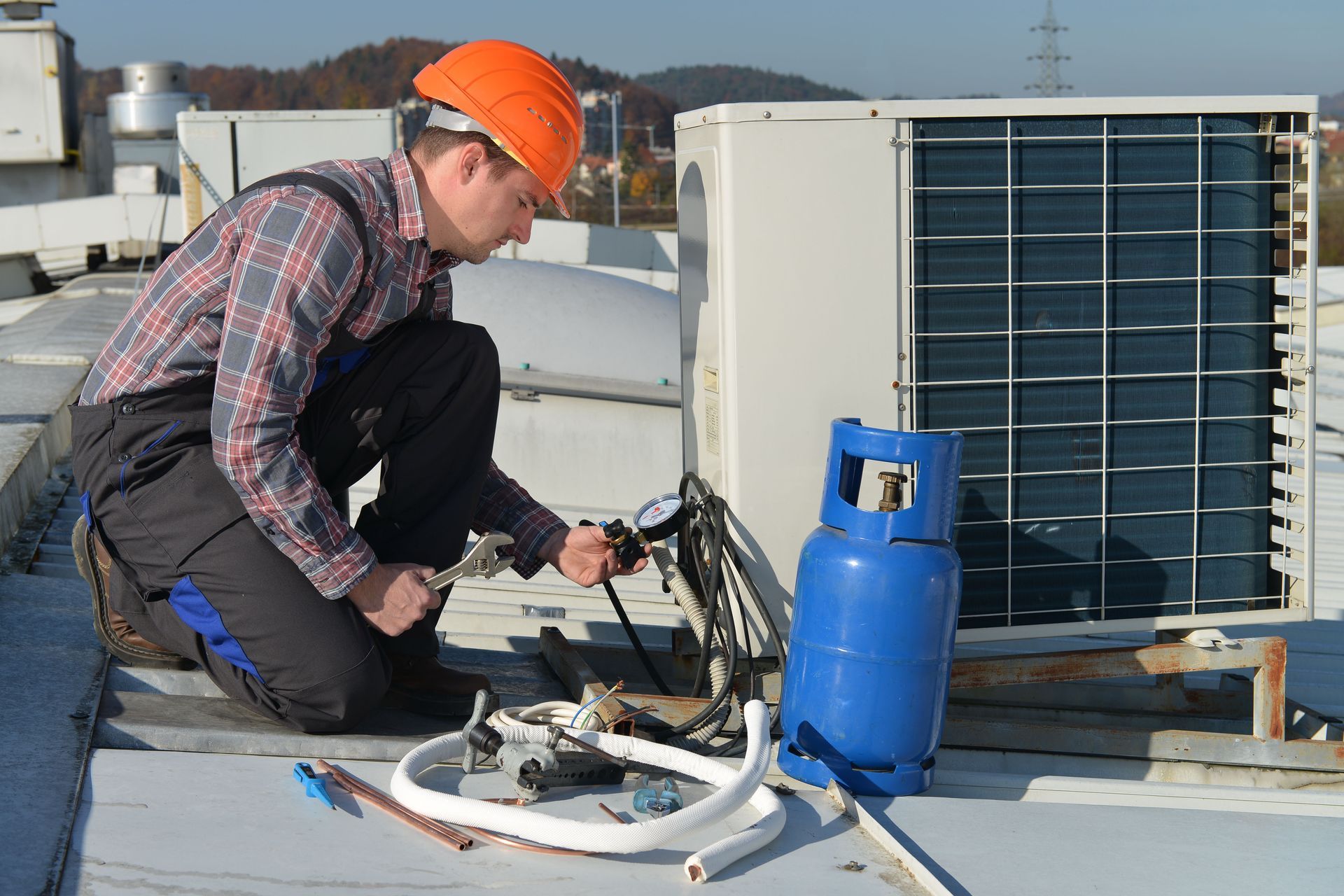
Repairing refrigerant leaks requires precise techniques and specialized knowledge to ensure system integrity and effectiveness. Once a leak is identified, professionals apply sealing compounds or replace faulty components to restore proper refrigerant levels. This delicate process may involve pressure testing and quality checks to confirm successful repair. Addressing leaks not only enhances the cooling capability but also contributes to energy efficiency. Regular check-ups and vigilant leak detection can avoid unwanted environmental impact and prolong the HVAC's lifespan.
Recharging Refrigerant
After leaks are repaired, recharging the refrigerant is necessary to achieve optimal system operation and cooling performance. Professional technicians ensure that the correct type and amount of refrigerant are used, adhering to manufacturer specifications. Proper refrigerant levels are critical for efficient cooling and preventing compressor overload. Professionals utilize precise tools for measuring and injecting refrigerant, ensuring that the system functions seamlessly and within safety parameters. Routine monitoring and maintenance can maintain ideal refrigerant levels and prevent performance dips.
Addressing HVAC issues promptly is essential for maintaining comfort and extending system lifespan. Recognizing and understanding common problems empowers homeowners and businesses to take proactive measures, supported by professional HVAC services, for year-round efficient operation. Regular maintenance and timely repairs are key to minimizing disruptions and maximizing the performance of HVAC systems. According to This Old House, an HVAC can last up to 15–20 years with proper maintenance. By investing in routine care and leveraging professional expertise, occupants can enjoy reliable climate control that aligns with modern efficiency and sustainability standards. Effective HVAC management contributes to lower energy costs, enhanced comfort, and a secure indoor environment. Be sure to reach out to AVC Mechanical Services today for more information on our professional HVAC contractor!